
Two weeks in Portugal is enough to see the country properly if you resist the urge to rush. The real question behind what to see in Portugal in 14 days is not how many stops you can squeeze in, but how to combine the essential highlights with comfortable travel times, good pacing and space to enjoy each place well.
For most travellers, the strongest route balances Portugal's grand cities with its smaller historic towns, coastal scenery and southern light. That usually means starting in Lisbon, moving through Sintra and Cascais, heading north or inland for heritage stops, then finishing in Porto or the Algarve depending on your style of travel. If comfort, efficiency and a polished experience matter, private touring and chauffeur-driven transfers make the route far easier than relying on disconnected train schedules or long self-drive days.
What to see in Portugal in 14 days without overplanning
Portugal looks compact on a map, but the experience changes quickly from one region to the next. Lisbon is elegant and energetic. Sintra feels theatrical and romantic. The Alentejo slows everything down. Porto is atmospheric and deeply tied to the Douro. The Algarve brings a softer finish with sea views, cliffs and resort-level ease.
Trying to cover all of this in a frantic checklist often leads to too many hotel changes and too little enjoyment. A better approach is to build around a few well-chosen bases. In practical terms, that means three to five overnight stays in Lisbon, two in Porto and the remainder split between the Alentejo and the Algarve, depending on whether you prefer culture-heavy days or a gentler coastal ending.
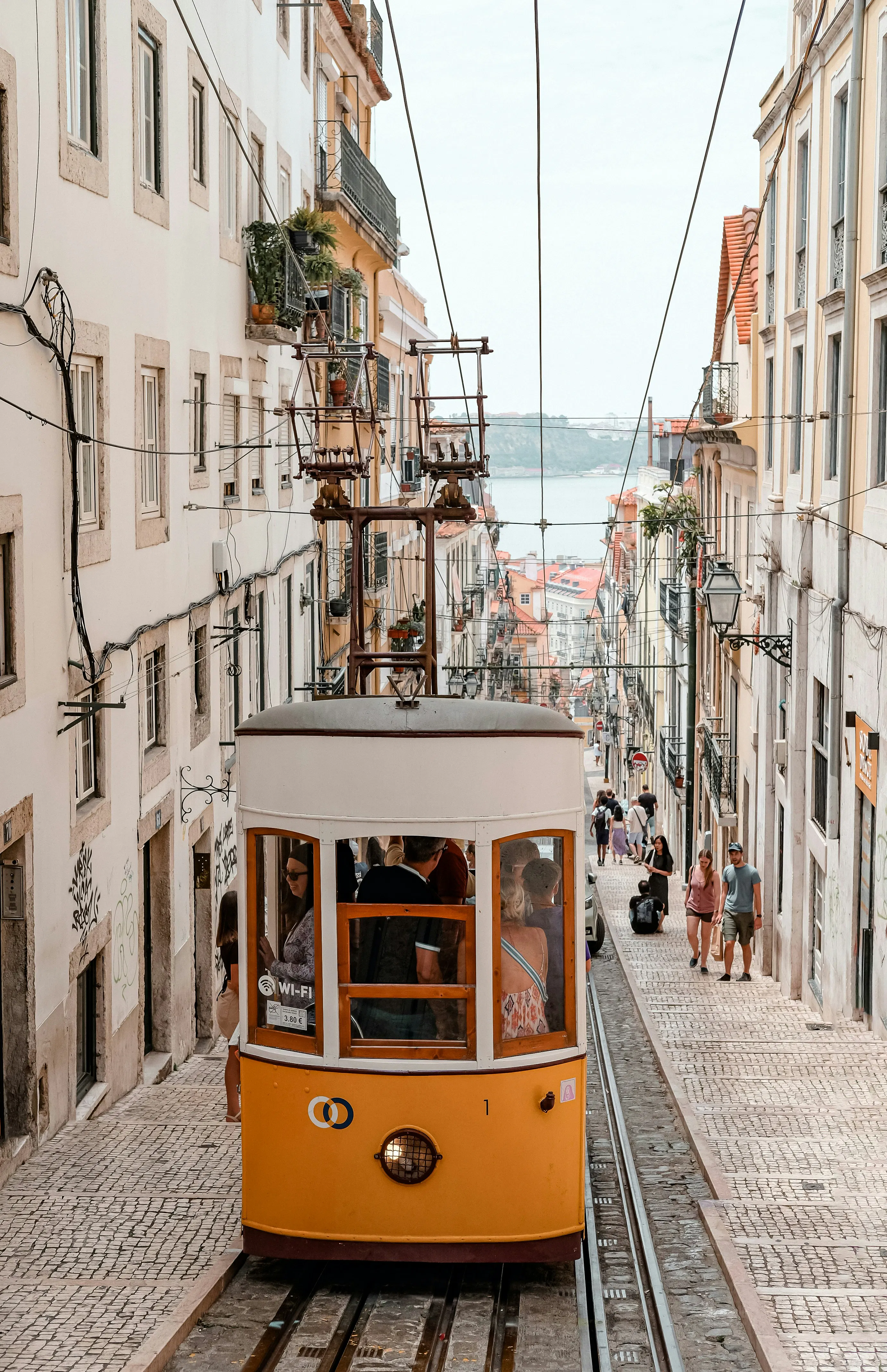
Days 1 to 4: Lisbon, Sintra and Cascais
Lisbon is the natural starting point for a 14-day trip. It gives you history, architecture, food, river views and easy access to several of Portugal's best day journeys. Spend your first full day in the capital itself, focusing on districts that reveal different sides of the city. Belém offers monumental Lisbon - the Jerónimos Monastery, Belém Tower and the great maritime narrative that shaped Portugal's identity. In contrast, Alfama and Baixa show the older, more intimate city, with steep streets, tiled façades and viewpoints that reward a slower pace.
On your second or third day, make time for Sintra. This is one of the country's non-negotiable stops, and one that deserves careful planning. Pena Palace is visually striking and popular for good reason, but Sintra is not just about one palace. The historic centre, Quinta da Regaleira and the surrounding wooded hills give the area its real charm. The trade-off is that Sintra can become tiring if managed poorly, especially with parking, queues and steep terrain. Travellers who value comfort often prefer a private day arrangement so the day feels curated rather than logistical.
Cascais works well either as part of the Sintra day or as a separate coastal outing. It has a polished seaside atmosphere, attractive promenades and a pleasant sense of ease after the intensity of Lisbon and Sintra. If your schedule allows, continue via Cabo da Roca for Atlantic views before returning to Lisbon.
By the end of four days, you will have seen the capital's essentials without feeling as though you have only passed through.
Days 5 and 6: Fátima, Óbidos, Nazaré or Évora
This is the point where the itinerary becomes more personal. If you are interested in religion, heritage and central Portugal, Fátima is a meaningful stop, often combined with Batalha, Alcobaça or Nazaré. The sanctuary itself draws pilgrims from around the world, but even for non-religious visitors it has a distinctive atmosphere of scale and devotion.
If you prefer a more scenic and historic route, Óbidos offers one of the country's prettiest walled towns. It is compact, photogenic and easy to combine with Nazaré, where the coastline feels bigger and more dramatic. This pairing works especially well for travellers heading north towards Porto.
The alternative is to go south-east from Lisbon into the Alentejo, with Évora as the anchor. For many visitors, this is the more elegant choice. Évora has Roman remains, medieval streets, serious gastronomy and a calmer rhythm that contrasts beautifully with Lisbon. One night can work, but two is better if you want a more spacious journey.
Days 7 to 9: Porto and the Douro perspective
Any serious answer to what to see in Portugal in 14 days should include Porto. The city has a very different tone from Lisbon - more compact, more textured, and in many ways more dramatic. The historic centre, the Ribeira waterfront and the bridges over the Douro create one of the strongest urban landscapes in the country.
Give Porto at least two nights. Spend one day in the city itself, with time for São Bento, the cathedral district and the riverfront. Port wine cellars across the river in Vila Nova de Gaia are an obvious feature, but they are still worth doing if approached selectively and without trying to cram too many tastings into one afternoon.
The second day should ideally open up the Douro Valley or at least give you a broader sense of the river region. The full valley deserves more than a rushed excursion, but even a carefully planned day trip shows why this landscape matters. Vineyards terraced above the river, slower roads and quieter villages create a very different Portugal from the coast. If your main priority is comfort and time efficiency, this is another part of the trip where private transport makes a noticeable difference.
Days 10 and 11: The Alentejo if you missed it, or a direct move south
From Porto, the next move depends on your travel style. Some travellers prefer to return south with a stop in Coimbra or Aveiro, but for a 14-day itinerary these can become add-ons rather than essentials. If you did not include Évora earlier, this is a strong moment to do it. Breaking the journey south with an overnight in the Alentejo keeps the route civilised and adds one of Portugal's most rewarding historic cities.
If you have already stayed in Évora, move directly towards the Algarve. For premium travellers, this is often where the value of a well-managed transfer becomes most obvious. The distance is manageable, but it is long enough that avoiding station changes, rental formalities and motorway fatigue can materially improve the day.
Days 12 to 14: Algarve with the right base
The Algarve deserves more than a token visit at the end of the trip. Even with three days, you can experience both its beauty and its versatility. The best base depends on what you want. Lagos suits travellers who want dramatic coastline, access to Ponta da Piedade and a lively but not overwhelming centre. Albufeira is more resort-oriented and practical for some groups. Vilamoura feels polished and convenient, particularly for golf, marina dining and high-comfort stays. Tavira offers a quieter eastern Algarve rhythm.
For many visitors, the western and central Algarve deliver the strongest first impression. The cliff-backed beaches, golden light and boat access to sea caves make this region visually memorable. That said, the Algarve is not only about beach time. Inland villages, local markets and a more relaxed pace are just as valuable, especially after city-based touring.
This is also where a private vehicle and driver can help you see more without sacrificing ease. Coastal parking, summer congestion and the temptation to fit too much into one day can quickly turn a relaxing finale into a tiring one. A tailored touring plan allows you to see the best sections of the coast while keeping the day comfortable.
A refined 14-day route that works well
If you want one itinerary that suits most first-time visitors, the strongest version is this: four nights in Lisbon, including Sintra and Cascais; one or two nights in Évora or central Portugal; two nights in Porto; then three to four nights in the Algarve. That structure gives you cities, heritage, coast and regional contrast without constant unpacking.
There are, of course, trade-offs. If wine and scenery are your priority, give more time to Porto and the Douro. If you prefer beaches and resort comfort, shorten the north and finish longer in the Algarve. Families often benefit from fewer hotel changes, while couples on a first premium trip may prefer a broader route with curated transfers. It depends on whether your holiday is led by landmarks, pace or comfort.
For travellers who want Portugal to feel smooth from arrival to departure, the journey matters as much as the destinations. Well-planned transfers, thoughtful timing and local driving expertise can turn a good itinerary into a far more enjoyable one. Companies with expertise are especially relevant for visitors who want to move between Lisbon, Sintra, Porto, Évora and the Algarve without losing valuable time to practical complications.
Portugal rewards travellers who leave room for quality. In 14 days, you do not need to see everything. You simply need to see the right places, in the right order, and give each one enough time to feel memorable.